A dandruff appointment should do more than lift visible flakes from your hair. You will learn what the practitioner checks, how the scalp is treated, which sensations and warning signs matter, and how to judge whether the aftercare plan can control recurrence.
Key takeaways
- Expect a scalp inspection and medical history before treatment begins.
- Do not let anyone scrape flakes from an irritated or painful scalp.
- Tell the practitioner about hair dye, medicated shampoos and current scalp products.
- Follow the clinic’s washing and product instructions after treatment.
What the practitioner checks before touching your scalp
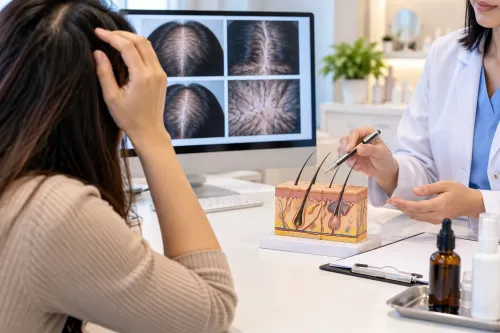
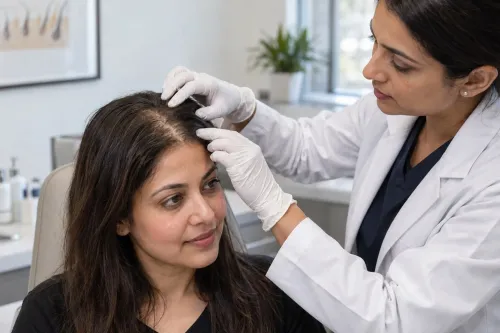
A dandruff removal treatment in Juhu should begin with questions and an inspection, not immediate scraping or shampooing. The practitioner asks when flakes started, whether itching or pain is present, what products you use, how often you wash, and whether you have tried medicated shampoos or hair dye.
Mention allergies, eczema, psoriasis, recent illness, and medicines too.
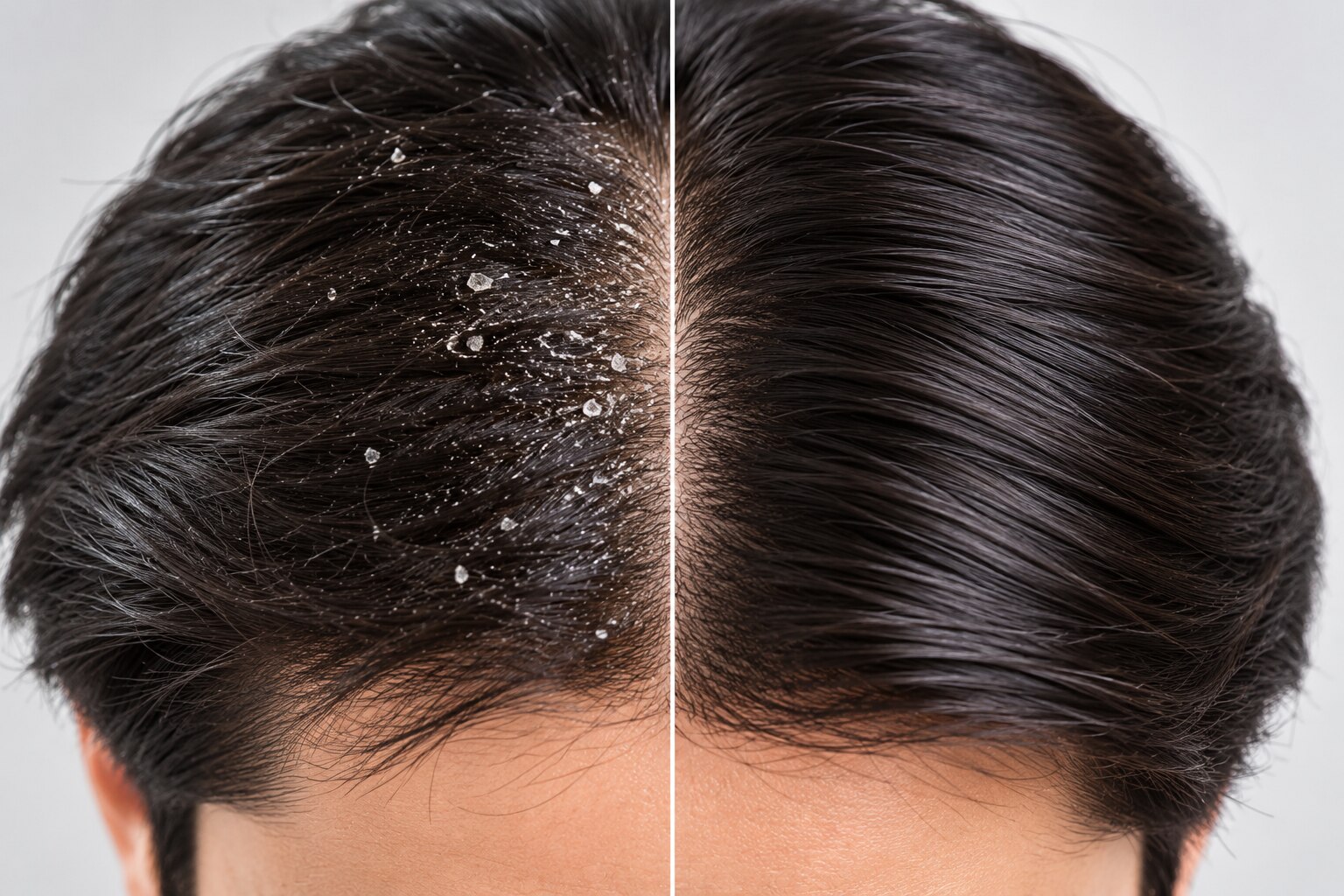
- They examine the scalp under good light, checking whether flakes are fine and white or thick, yellow, and greasy.
- They look for redness, crusting, pustules, sores, scratching, broken hairs, and thinning or patchy hair loss.
- They inspect the hairline, behind the ears, and the crown, where scaling can reveal a wider skin condition.
- They ask about burning after products, because allergic or irritant contact dermatitis can mimic dandruff.
- They decide whether the pattern fits seborrhoeic dermatitis or needs medical assessment for psoriasis, eczema, or tinea capitis, a fungal infection that can cause broken hairs and hair loss.
This examination determines whether a cosmetic scalp service is appropriate. A professional dandruff removal near me result proves convenience, not diagnostic expertise. Before treatment begins, ask what condition the practitioner suspects, which active ingredient is planned, how many sessions are expected, and when you should see a dermatologist.
Dandruff is usually recurring, so removing visible scale does not remove its cause.
How the scalp is cleaned and treated step by step
Once the examination is complete, the practitioner explains the planned dandruff treatment Juhu session and checks for stinging, allergies or broken skin before applying anything. “Dandruff removal” means loosening scale and calming inflammation, not extracting a permanent deposit.
1. The scalp is sectioned so the practitioner can reach the skin beneath the hair. A gentle cleanser removes oil, sweat and styling residue without scratching plaques or sores.
2. Loosened scale is softened with water or a selected scalp preparation. Salicylic acid can lift adherent flakes, but vigorous scrubbing can cause dryness, burning and more irritation.
3. The practitioner massages the product into the scalp with fingertips, not fingernails. This lifts softened scale without tearing skin; visible flakes can briefly increase as loosened material comes away.
4. A medicated product is applied to the scalp and left for its stated contact time. Depending on the suspected problem, the plan might include ketoconazole, zinc pyrithione, selenium sulphide, coal tar or another clinician-selected ingredient. Topical corticosteroids require medical direction.
5. The scalp is rinsed thoroughly, checking that residue has not collected around the hairline or behind the ears. A soothing or cooling product may follow if the skin feels hot or tight.
6. Hair is towel-dried or dried on a cool, low-air setting. Before you leave, you receive washing frequency, maintenance and warning instructions; burning, swelling, blistering or worsening pain needs medical advice rather than another session.
How treatment changes for oily, dry or inflamed scalps
Treatment is matched to the scalp’s oil level, scale type and inflammation, so an oily scalp is not treated like a dry, tender one.
| Condition | Products or techniques you may encounter | Sensations and purpose |
|---|---|---|
| Oily scalp with yellow, greasy scale | Medicated shampoo containing ketoconazole, zinc pyrithione or selenium sulphide; careful cleansing to lift oil and loosened scale | A cool or mildly tingling wash, followed by a cleaner, less greasy feel |
| Dry scalp with fine white flakes | Gentle shampoo and limited salicylic acid to release scale; less vigorous exfoliation and lukewarm rinsing | Mild softness or light tingling; tightness or stinging means the product is too irritating |
| Red, itchy or inflamed scalp | A clinician may avoid scrubbing and recommend a prescribed anti-inflammatory product, such as a topical corticosteroid, alongside suitable antifungal care | Tenderness during handling, warmth or burning requires stopping and medical review |
Salicylic acid loosens stuck scale but does not treat every cause of dandruff. Scrubbing hard, combining several exfoliants or washing with hot water can worsen dryness and redness.
Ketoconazole shampoo targets Malassezia-associated overgrowth; it is not oral antifungal treatment. Persistent, widespread or painful inflammation needs a dermatologist, who may prescribe a different formulation or add anti-inflammatory treatment. You might see more flakes immediately after washing because loosened scale is coming away.
Stop and seek advice for marked redness, swelling, blisters, worsening pain or intense burning.
What to do before and after the appointment
Arrive with your scalp free of hair oil, dry shampoo, gel and heavy styling products. Do not scratch, pick or aggressively brush the flakes before the session; broken skin can sting during cleansing and raise infection risk. Tell the practitioner about allergies, recent hair-colour treatments, medicated shampoos and any burning or sores.
After the appointment, follow the written plan rather than washing repeatedly to chase every visible flake.
- Apply medicated shampoo to the scalp, not just the hair. Leave it on for the number of minutes stated on the label or by the practitioner, then rinse thoroughly. Washing it off immediately can make a suitable product seem ineffective.
- During a flare, use the product at its prescribed frequency. Once symptoms settle, maintenance may reduce to once weekly or every other week; overuse can irritate the scalp.
- Wash with lukewarm water, massage gently with fingertips and dry the scalp fully. Keep conditioner, oils and styling products mainly on the hair lengths if they worsen oiliness or residue.
- Expect loosened scale to look more noticeable after washing as it leaves the scalp. Do not scrape, pull or use sharp tools to remove it.
- Stop a product and seek medical advice for burning, marked redness, swelling, blisters, worsening pain or persistent sores. Book a review if flakes continue despite correct use, because dandruff can overlap with another scalp condition.
How to choose a safe scalp clinic in Juhu
Before booking professional dandruff removal near me, confirm that the clinic examines and treats the scalp, not just lifts visible flakes from the hair. Ask:
- What diagnosis do you suspect, and what did you see on my scalp?
- Which active ingredients will you use, such as ketoconazole, selenium sulphide, zinc pyrithione or salicylic acid?
- How many sessions might I need, and what maintenance plan follows?
- What will you do if the scalp burns, bleeds or becomes more inflamed?
- When will you refer me to a dermatologist?
A scalp care clinic in Mumbai should explain that cosmetic flake removal does not stop recurring seborrhoeic dermatitis. Forceful scraping can cause abrasions and infection, while salicylic acid can worsen dryness when combined with vigorous scrubbing.
Inshine Aesthetics is worth asking how its practitioner distinguishes visible scale from a condition needing medical assessment before treatment begins.
| Finding during examination | Why it matters | Appropriate next step |
|---|---|---|
| Fine or greasy scale without sores | Fits uncomplicated dandruff more closely | Discuss scalp care and medicated maintenance |
| Thick plaques, marked redness or scale beyond the hairline | Could indicate psoriasis or eczema | Refer to a dermatologist |
| Pustules, crusting, broken hairs or patchy hair loss | Could indicate infection, including tinea capitis | Stop cosmetic treatment and arrange medical review |
| Sudden burning after a new product | Could indicate contact dermatitis | Remove the suspected product and seek assessment |
A clinic that promises permanent removal in one visit, refuses to name its products or ignores hair loss is the wrong choice.
Related service
Hair Treatment Treatment Say goodbye to dandruff & flaky scalp. Our Treatment: - Deep cleansing & medicated therapies - Scalp exfoliation & soothing treatments -... View service → |
Frequently asked questions
What does a practitioner check before dandruff removal treatment?
They ask when flaking began, whether you have itching or pain, which products you use, how often you wash, and whether you have tried medicated shampoos or hair dye. They also inspect the scalp before choosing a treatment.
How is a professional dandruff treatment performed?
The practitioner examines the scalp, cleans away oil and product residue, then applies a treatment suited to the scalp’s condition. They should avoid aggressive scraping, especially when the scalp is inflamed or painful.
Does treatment differ for oily, dry and inflamed scalps?
Yes. Oily scalps need oil and buildup control, dry scalps need gentler cleansing, and inflamed scalps require a cautious approach that avoids friction and identifies when medical evaluation is needed.
What should you do before and after a scalp treatment?
Before the appointment, share your scalp history and product use. Afterward, follow the clinic’s washing instructions, avoid irritating products, and contact the practitioner if pain, swelling or worsening redness develops.
How do you choose a safe scalp care clinic in Juhu?
Choose a clinic that inspects your scalp first, explains each step, records the products used, answers questions about hygiene, and refers you to a dermatologist when symptoms fall outside cosmetic care.
Keywords