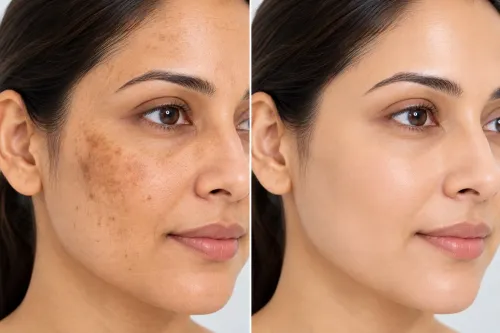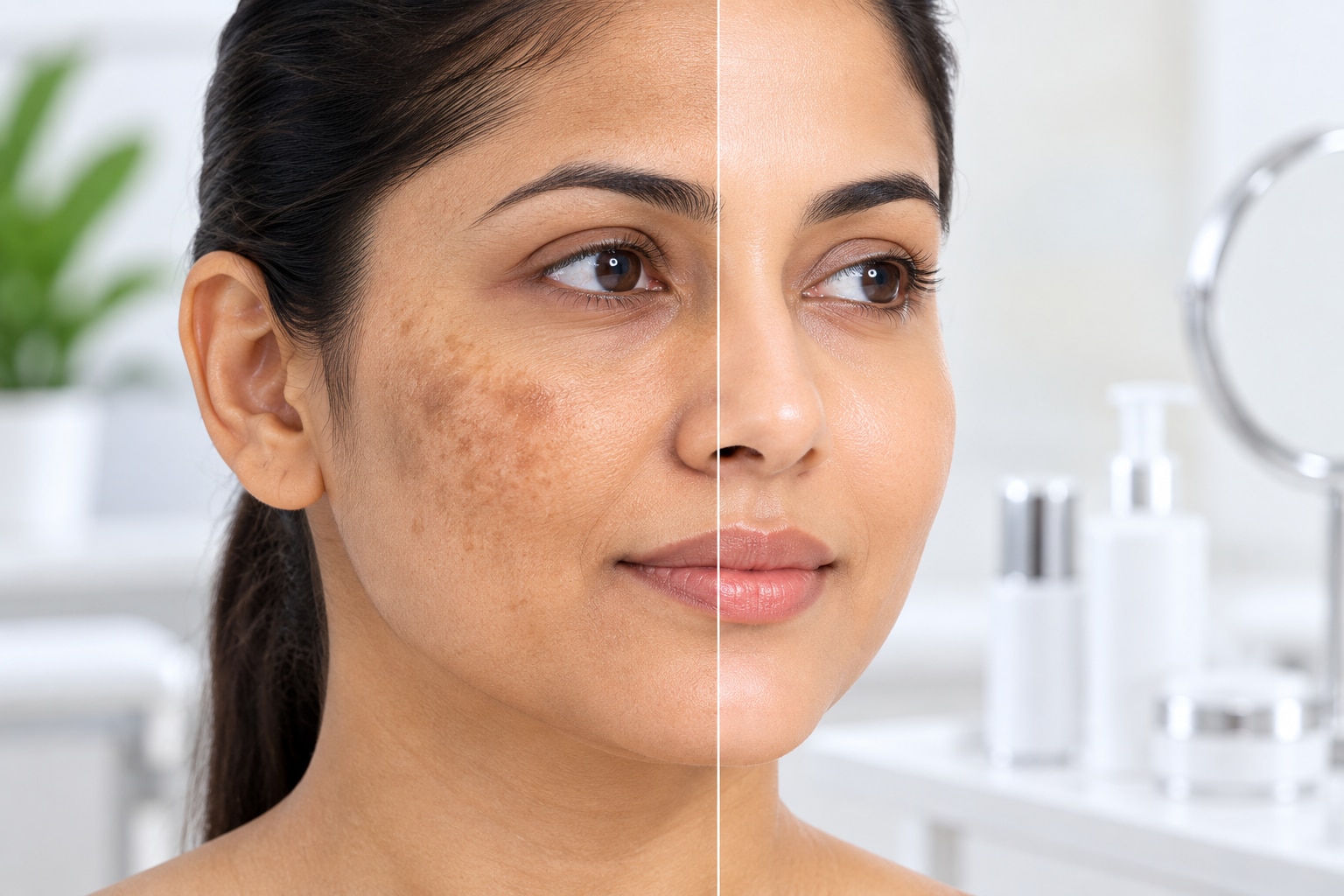
Dark patches, brown spots and uneven tone can come from melasma, acne inflammation, sun exposure, freckles or a condition that needs medical assessment. Identifying the pigment’s cause, depth and sensitivity risk will help you compare treatments and choose a safer plan instead of selecting a laser or peel by popularity.
Key takeaways
- Confirm the cause before treating pigmentation; melasma, acne marks and sun spots need different plans.
- Choose treatment based on skin tone, pigment depth, sensitivity and risk of post-inflammatory darkening.
- Ask about downtime, aftercare, sun protection and recurrence before booking any pigmentation procedure.
- Expect gradual fading, not permanent removal, and report changing or unusual patches for medical assessment.
First identify what is causing the pigmentation
Pattern, timing and triggers provide the first clues, but a photograph or product recommendation cannot confirm the diagnosis. Note when the patches appeared, whether they follow inflammation, and whether they fade after avoiding sun.
- Melasma forms fairly even brown or grey-brown patches on both cheeks, the forehead, nose or upper lip. Sunlight, visible light, heat and hormonal changes can worsen it.
- Post-inflammatory hyperpigmentation follows acne, eczema, a burn, waxing, picking or an aggressive facial. It usually sits exactly where the inflammation healed.
- Tanning causes a fairly uniform darkening across exposed skin after outdoor exposure and gradually lightens with protection.
- Freckles are small, flat spots that often begin earlier in life and darken during sunny months.
- Sun spots, also called lentigines, are sharply outlined brown patches that persist on sun-exposed areas rather than fading each winter.
- Drug-related pigmentation can appear after starting a medicine, so bring your full medication and supplement list.
A changing, bleeding, crusting, itchy or asymmetrical spot needs dermatological evaluation before cosmetic treatment. Seek assessment for a rapidly growing mark or one that looks unlike the others. A dermatologist may use dermoscopy or a Wood’s lamp to assess pigment distribution, but neither replaces clinical diagnosis.
This step matters before comparing pigmentation treatment options in Mumbai: lasers are not a universal answer for melasma, and irritation from unsuitable treatment can create more pigmentation, especially in darker Indian skin tones.
Match the treatment to your skin tone, pigment depth and sensitivity
On darker Indian skin tones, an overly aggressive procedure can create post-inflammatory hyperpigmentation instead of removing it. Control active acne, eczema, waxing irritation, burns and over-exfoliation first; treating the inflammation is part of treating the pigment.
| Pigment or skin profile | Suitable pigmentation removal options | Main caution |
|---|---|---|
| Epidermal melasma or mild post-inflammatory hyperpigmentation | Sunscreen, azelaic acid, vitamin C, kojic acid or supervised hydroquinone and retinoids | Melasma often relapses; routine laser can worsen it |
| Freckles or discrete sun spots | Carefully selected Pico or Q-switched laser, sometimes a superficial chemical peel | Darker skin needs conservative settings and a test spot |
| Deeper or dermal pigment | Medical assessment, gradual topical treatment and selected combination plans | Fading is slower and less predictable; laser is not automatically better |
| Irritation-prone skin | Azelaic acid or a simplified topical plan introduced gradually | Strong peels, frequent retinoids and microneedling can trigger new pigment |
| Resistant pigment after inflammation settles | Microneedling, radiofrequency-assisted treatment or combination therapy | These create controlled injury, so incorrect depth, energy or aftercare can worsen pigmentation |
A Wood’s-lamp examination or dermoscopy can suggest whether pigment is superficial, but neither replaces diagnosis. Ask for a cautious plan if you have a darker phototype: the clinician should explain test spots, treatment intervals and the risk of both darker and lighter patches. A changing or bleeding lesion needs medical assessment, not cosmetic removal.
Compare creams, peels, lasers and microneedling before you book
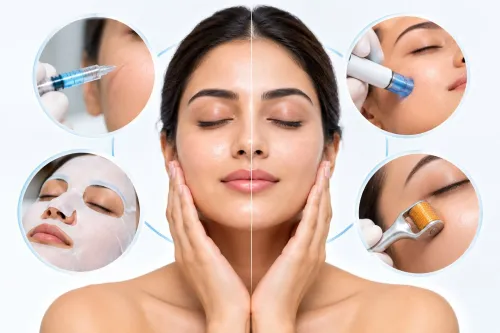
Topical treatment is the least invasive starting point: prescribed creams such as hydroquinone, azelaic acid, retinoids, cysteamine or kojic acid are applied at home for weeks to months. There is no procedure pain or downtime, but irritation can worsen pigmentation if you overuse them.
| Option | What it involves | Sensation and downtime | Sessions and interval |
|---|---|---|---|
| Chemical peel | A superficial acid peel targets selected epidermal pigment | Stinging, tightness and peeling; usually 1–7 days of recovery | Several sessions, commonly 2–4 weeks apart |
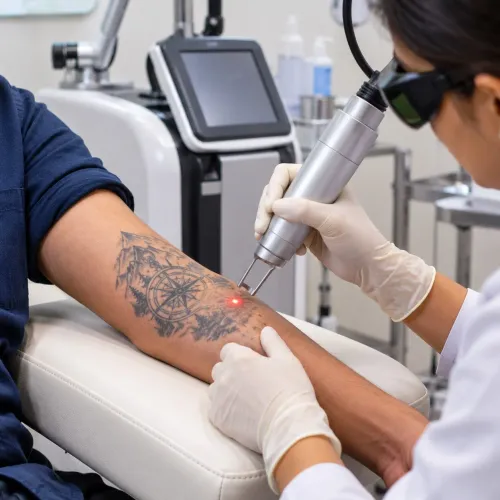
| Pico laser | Very short pulses fragment pigment with limited heat | Snapping or warmth; redness for hours to a few days | Often 3–6 sessions, 4–8 weeks apart |
| Q-switched laser | Nanosecond pulses target pigment, including selected spots | Snapping, warmth and temporary darkening or redness | Multiple sessions, usually spaced several weeks apart; repeated toning carries rebound and mottled lightening risks |
| Microneedling | Fine needles create controlled channels, sometimes delivering a topical agent | Pinpricks and redness; roughly 1–3 days of recovery | Commonly 3–6 sessions, about 4–6 weeks apart |
| Combination plan | Uses creams with peels, laser or microneedling in a planned sequence | Combined irritation and downtime | Timing depends on healing and the diagnosis |
A pigmentation treatment in Mumbai should match the procedure to your skin tone and diagnosis. Ask about a test spot, especially with Indian or darker skin, because excessive energy, peel strength or needle depth can cause post-inflammatory hyperpigmentation. None is a permanent cure for melasma.
What a safe pigmentation consultation in Mumbai should include
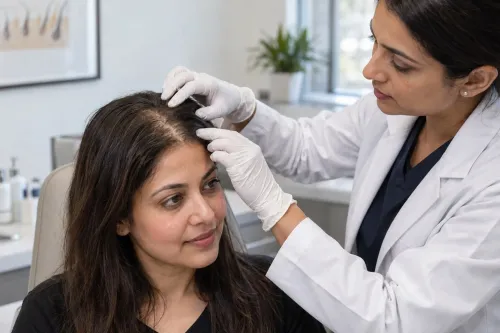
A safe consultation checks the diagnosis, skin tone, triggers, medicines and medical history before suggesting a peel, cream or laser. It should also explain realistic improvement, recurrence and risks.
1. Ask the clinician to identify the pattern and likely cause. They should examine whether it resembles melasma, post-inflammatory hyperpigmentation, freckles, lentigines, tanning or drug-related pigmentation. A changing, bleeding, asymmetric or irregular lesion needs dermatological assessment, not cosmetic treatment.
2. Tell them about every medicine and product you use, including retinoids, hydroquinone, antibiotics, hormonal contraception, supplements, acne treatments and bleaching creams. Ask, “Could any of these cause pigmentation or increase treatment sensitivity?”
3. State whether you are pregnant, trying to conceive or breastfeeding. Ask which ingredients and procedures must wait; retinoids are generally avoided during pregnancy unless specifically advised by your doctor.
4. Ask whether you need a test spot before treating a larger area, especially with darker Indian skin tones or a history of post-inflammatory hyperpigmentation. Confirm the proposed laser wavelength, fluence, pulse settings, cooling method and the interval between sessions.
A skin pigmentation clinic in Mumbai should adjust settings to your response rather than use one preset for everyone.
5. Request the likely adverse effects in plain terms: burns, crusting, prolonged redness, darker or lighter patches, acne flares and recurrence. Ask what to do if they occur and who will review you.
Inshine Aesthetics is worth comparing on this point: choose a clinic that documents your baseline, explains aftercare and treats active irritation before pursuing pigment removal.
Related services
Skin Treatment Pigmentation Fade Pigmentation: Effective Treatment Solutions Say goodbye to uneven skin tone with our advanced treatments. |
Skin Treatment Treatment Reveal Brighter, Healthier-Looking Skin Restore your skin’s natural glow with advanced skin brightening treatments designed to reduce... View service → |
Plan for fading, aftercare and recurrence rather than permanent removal
Expect fading, not erasure. Tanning can soften within weeks after ultraviolet exposure stops, while post-inflammatory hyperpigmentation often needs three to six months. Melasma usually requires longer treatment and maintenance; deeper dermal pigment fades more slowly and less predictably. Any pigmentation treatment in Mumbai that promises permanent removal deserves caution.
Protect the result after creams, peels, lasers or microneedling:
- Apply a broad-spectrum SPF 50 sunscreen every morning and reapply every two hours outdoors, after sweating or swimming.
- Choose a tinted sunscreen containing iron oxides to reduce visible-light stimulation, especially with melasma.
- Wear a wide-brimmed hat, seek shade and avoid deliberate tanning.
- Pause scrubs, waxing, strong acids and unapproved bleaching products while skin is healing.
- Use the clinician’s bland moisturiser and restart retinoids or pigment medicines only when peeling, redness and tenderness have settled.
Ultraviolet radiation activates melanocytes, while visible light can intensify melasma in deeper Indian skin tones. Heat from hot yoga, steam, cooking flames or a hot climate can amplify inflammation and pigment signalling. Hormonal changes, including pregnancy or hormonal contraception, can stimulate melasma even without obvious sunburn.
Acne, eczema, burns and over-exfoliation release inflammatory signals that create new post-inflammatory marks.
Pigmentation removal options work better when these triggers are controlled. If darkening returns after treatment, repeated laser sessions are not automatically the answer; reassess the diagnosis, exposure, medicines and irritation before changing the plan.
Frequently asked questions
How do you identify what is causing pigmentation?
Track when the patches appeared, whether they follow acne or irritation, their pattern, and whether sun avoidance makes them fade. A clinician must examine the skin before confirming the diagnosis.
How should you match pigmentation treatment to your skin?
The choice depends on your skin tone, pigment depth and sensitivity. These factors also affect the risk of post-inflammatory hyperpigmentation, so darker or reactive skin needs careful treatment selection and conservative settings.
How do creams, peels, lasers and microneedling compare?
Creams suit some superficial or inflammation-related pigmentation, while peels, lasers and microneedling use controlled injury or exfoliation for selected cases. Compare expected improvement, downtime, side effects, aftercare and recurrence before choosing.
What should a safe pigmentation consultation in Mumbai include?
It should include an examination of the patches, a review of triggers and products, discussion of your skin sensitivity and medical history, a diagnosis or referral when needed, and a written plan covering risks, aftercare and follow-up.
Can pigmentation be removed permanently?
Treatment aims to fade pigmentation and control its cause rather than guarantee permanent removal. Sun exposure, hormones, acne, irritation and unsuitable products can cause recurrence, so maintenance and daily sun protection matter.
Related services
Skin Treatment Treatment Renew Your Skin with Advanced Chemical Peel Treatments Achieve smoother, clearer, and more radiant skin with professional chemical peel... View service → |
Skin Treatment Erase Acne Scars: Effective Treatment Solutions Say goodbye to acne scars with our advanced treatments. View service → |
Keywords